Renovations That Address Function and Finish
Interior & Exterior Remodeling in Raleigh for properties where layout, systems, or exterior condition no longer meet current needs
Homes require remodeling when room layouts don't support how families actually live, when exterior materials have deteriorated past the point where maintenance restores protection, or when interior finishes show wear that cleaning and minor repairs can't address. Interior renovations from Above & Beyond Building & Remodeling reconfigure spaces to improve flow and function, while exterior renovations replace siding, update trim details, and apply finishes that protect underlying structure from weather exposure. Complete home updates coordinate interior and exterior work so that mechanical systems, structural modifications, and finish improvements happen in the sequence that prevents duplicate work and allows each trade to complete installations properly.
Renovation projects involve selective demolition that removes only what needs replacement while protecting systems and finishes that will remain, structural evaluation to determine whether walls can be removed or openings enlarged, and finish selections that account for how surfaces will be cleaned and maintained over years of use. Exterior work requires flashing details where different materials meet, proper fastening that resists wind loads, and paint or stain application during temperature and humidity conditions that allow coatings to cure correctly.
Schedule a property evaluation to identify which improvements your home needs and how interior and exterior work should be sequenced for efficiency.
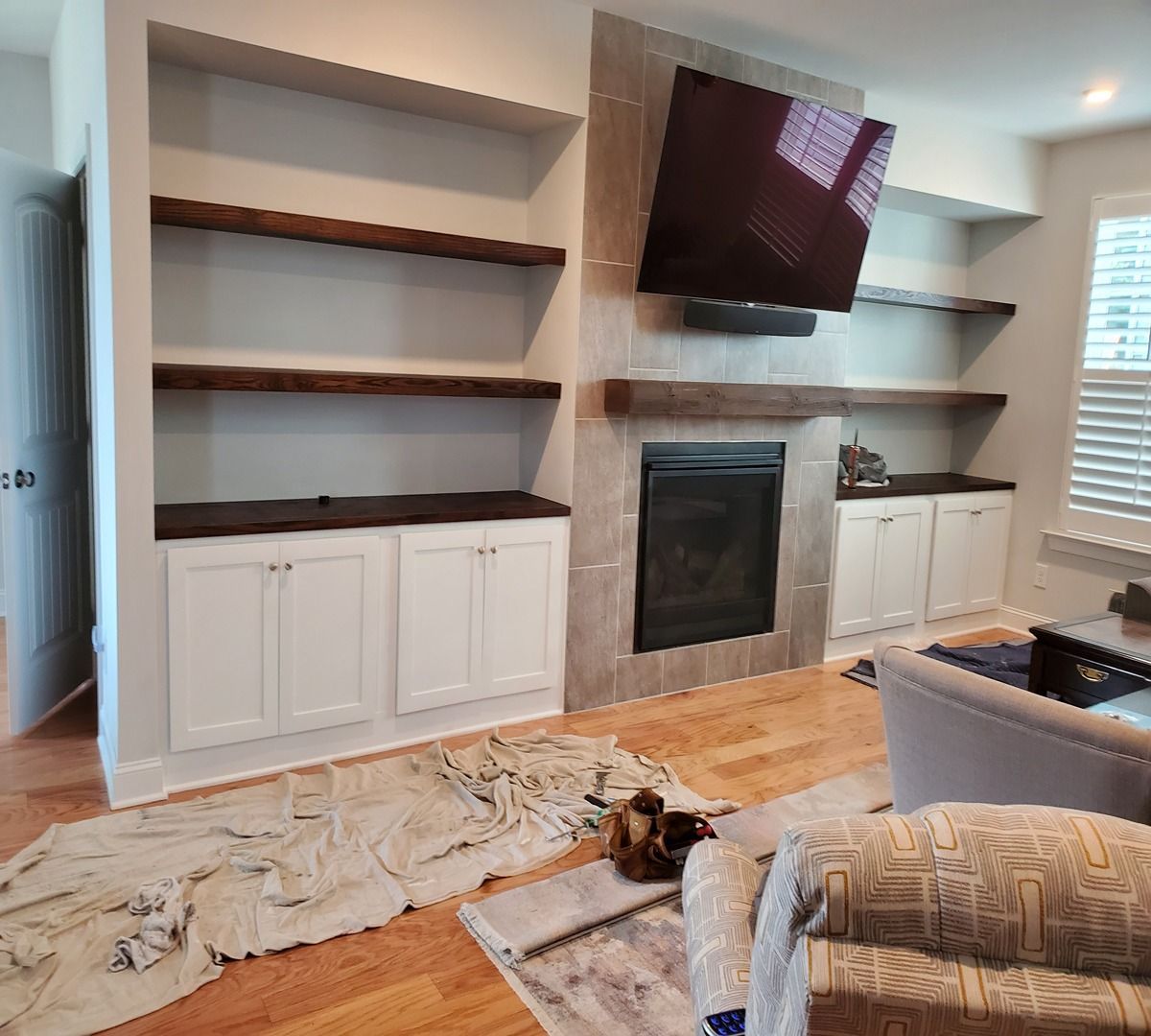
The Difference Between Surface Updates and Functional Renovations
Surface-level improvements refresh appearance through new paint, updated fixtures, and finish material replacement without changing underlying layout or systems, while functional renovations modify room configuration, relocate plumbing and electrical service, or replace exterior envelope components that affect energy performance and water management. Siding replacement includes installing weather-resistant barriers behind the finish material, properly lapping seams so water can't track behind the assembly, and caulking penetrations where utilities enter the home.
After remodeling completes, rooms function according to current use patterns rather than the layout assumptions made when the home was originally built, exterior surfaces shed water consistently without the staining patterns that indicate inadequate roof overhang or missing flashing, and interior finishes withstand daily use without showing damage from normal cleaning and traffic. Trim and molding details create visual consistency between renovated spaces and unchanged areas, and exterior color selections coordinate across siding, trim, and architectural features.
Project scope determines whether work happens in phases that allow portions of the home to remain occupied or requires temporary relocation during active construction. Interior renovations that involve dust-generating demolition, floor refinishing, or spray-applied finishes may make living spaces unusable for periods ranging from days to weeks depending on project size, while exterior work typically allows normal interior use throughout the construction timeline.
Questions Before Starting Your Project
Property owners considering remodeling work need to understand project scope, material options, and how renovations affect daily home use during construction.
What determines whether a remodel focuses on interior spaces, exterior improvements, or both?
The decision depends on whether functional problems exist with room layout and interior systems, whether exterior materials have reached the end of their service life, or whether the home needs comprehensive updates that address both interior livability and exterior protection simultaneously.
How do interior renovations handle existing mechanical systems that serve the spaces being remodeled?
HVAC ductwork, plumbing lines, and electrical circuits often run through walls and ceilings that renovation work exposes, requiring those systems to be temporarily relocated, permanently rerouted, or upgraded to meet current code requirements if the existing installations are modified.
Why does exterior remodeling in Raleigh often involve more than just replacing siding?
Removing existing siding frequently reveals water damage to sheathing, missing or deteriorated flashing around windows and doors, and inadequate weather-resistant barriers that don't meet current installation standards, all of which must be corrected before new siding goes up to prevent trapping moisture inside wall assemblies.
What makes some remodeling projects increase home value while others just update appearance?
Renovations that improve functional layout, increase energy efficiency, update to current style expectations, or expand usable space tend to return more value than projects that simply replace finishes without addressing underlying performance or layout limitations.
When should painting happen as part of a larger remodel versus as a separate project?
Paint application should wait until all dust-generating work is complete, new trim and drywall repairs have been installed and properly primed, and the space has been thoroughly cleaned—rushing to paint before construction finishes results in contaminated surfaces that show defects once lighting and furniture are in place.
Above & Beyond Building & Remodeling manages interior and exterior renovation projects that address the specific functional and aesthetic improvements your Raleigh property needs. Call (919) 524-0433 to discuss your remodeling goals and develop a project plan that sequences work efficiently while maintaining quality across all phases of construction.