Surfaces Selected for How Rooms Function
Flooring Installation in Raleigh for homes where existing floors show wear, damage, or don't suit current use patterns
Flooring materials perform differently under the conditions found in specific rooms—hardwood expansion with humidity changes, luxury vinyl's resistance to moisture in bathrooms and laundry areas, and laminate's vulnerability to water damage despite its durability under foot traffic. Homeowners replace flooring when existing surfaces have worn through finish to bare wood, when water damage has caused cupping or delamination, or when previous flooring choices don't match how rooms are currently used. Above & Beyond Building & Remodeling installs hardwood, luxury vinyl, and laminate flooring selected based on subfloor conditions, room function, and whether the space sees exposure to moisture or temperature fluctuations.
Installation begins with subfloor evaluation because flooring performs only as well as the surface beneath it—plywood that isn't flat within industry tolerance causes hollow spots where floating floors flex and adhesive installations don't bond properly. Hardwood requires acclimation time in the installation environment before boards are cut, while luxury vinyl and laminate need expansion gaps at walls because the materials move with temperature changes even though they're more dimensionally stable than wood.
Request a detailed estimate based on your current floor condition, room layout, and which flooring material suits your specific use requirements.
What Changes After Flooring Installation Completes
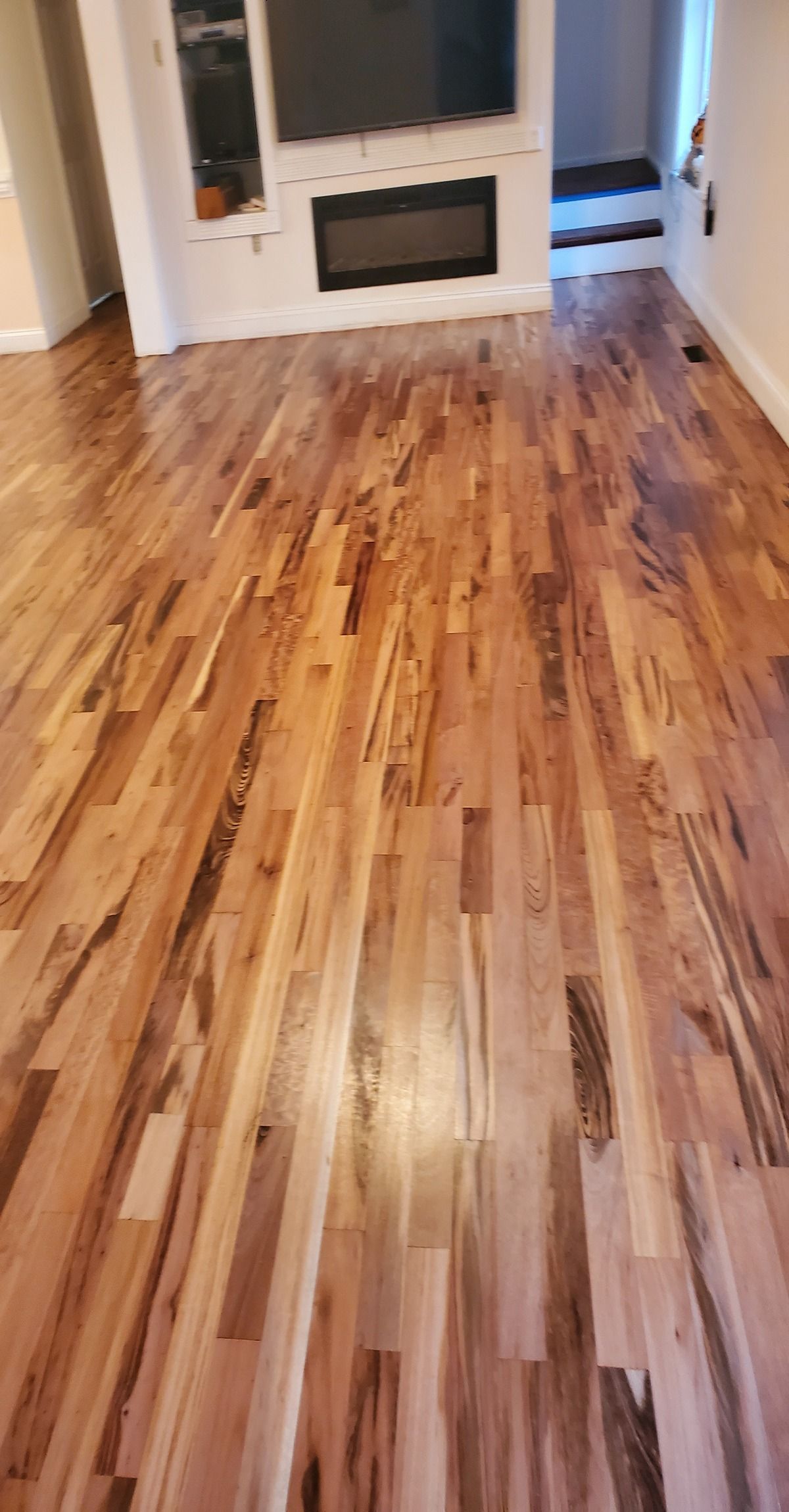
Transitions between rooms sit flush without trip hazards, flooring runs continuously under door casings rather than stopping at visible trim lines, and expansion gaps at walls remain hidden behind baseboards while still allowing the seasonal movement that prevents buckling. Luxury vinyl installations in moisture-prone areas like bathrooms resist water penetration at seams when properly installed, and hardwood flooring in main living areas can be refinished multiple times across decades of use.
Once installation finishes, you'll notice floors feel solid underfoot without the hollow sound that indicates insufficient subfloor preparation, boards align in straight runs without the wandering seams that result from poor layout planning, and finish coats on hardwood show consistent sheen without lap marks where polyurethane applications overlapped. High-traffic areas will show wear patterns over years of use, but properly installed flooring maintains structural integrity even as surface finish eventually requires renewal.
Material selection involves trade-offs between initial cost and long-term performance—hardwood costs more installed but can be refinished when worn, luxury vinyl provides waterproof performance at moderate cost but must be replaced rather than refinished, and laminate offers the lowest installed cost but shows permanent damage if moisture reaches the core. Room function drives these choices more than appearance preferences, since flooring that looks appropriate but can't handle the room's moisture or traffic conditions will fail regardless of initial quality.
What Property Owners Usually Ask
Homeowners planning flooring replacement want to understand material performance, installation requirements, and how different products handle real-world use conditions.
What preparation work does flooring installation require beyond removing old material?
The existing subfloor must be checked for flatness using a straightedge, any loose areas get re-secured with additional fasteners, low spots require leveling compound to meet manufacturer specifications, and the space needs to acclimate to the humidity levels that will exist after installation.
How does Raleigh's humidity affect hardwood flooring performance?
Relative humidity swings between winter heating and summer air conditioning cause hardwood to expand and contract across the width of boards, which is why proper acclimation before installation and maintaining consistent indoor humidity year-round prevents the seasonal gaps and cupping that occur when wood moisture content changes dramatically.
Why does luxury vinyl flooring work better in some rooms than hardwood?
Bathrooms, laundry rooms, mudrooms, and basements see moisture exposure or humidity levels that cause hardwood to cup and gap, while luxury vinyl's waterproof construction and dimensional stability handle these conditions without performance problems.
What makes some flooring installations feel hollow when walked on?
Inadequate subfloor flatness creates voids beneath floating floor installations where the material isn't fully supported, producing the hollow sound and flex that indicates the substrate wasn't properly prepared before flooring went down.
When should existing hardwood be refinished instead of replaced?
Refinishing works when the existing floor has enough thickness above the tongue-and-groove joint to withstand sanding—typically floors can be refinished four to six times before replacement becomes necessary—and when the boards remain structurally sound without cupping, crowning, or splits that sanding won't correct.
Above & Beyond Building & Remodeling installs flooring materials matched to how each room in your Raleigh home actually functions, addressing both appearance preferences and the performance requirements that determine long-term durability. Call (919) 524-0433 to discuss your flooring project and review material options that suit your specific rooms and use patterns.